
Luck versus skill Which really dominates in gambling
The Role of Luck in Gambling
Luck plays a significant role in the world of gambling, often seen as the primary factor determining outcomes in games of chance. Whether it’s a roll of the dice, a spin of the roulette wheel, or a draw of cards, many games are designed to favor randomness. This randomness creates the allure of the unknown, attracting players who are eager to try their fortune. With every bet placed, there’s an inherent unpredictability that can lead to substantial wins or devastating losses. Many gamblers also enjoy exploring casinos online, seeking the excitement that online platforms offer.

Many gamblers rely on luck as they believe it can turn a mediocre evening into a winning streak. Stories of sudden jackpots and incredible wins foster a perception that luck is the most dominant force in gambling. This reliance on luck often overshadows the importance of strategy and understanding the games being played, further perpetuating the myth that chance alone dictates success.
The Influence of Skill in Gambling
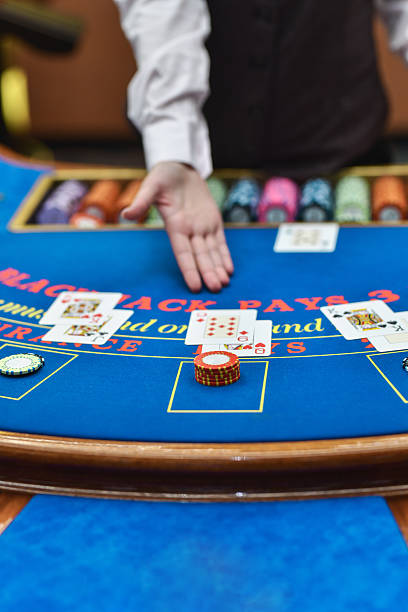
While luck is undoubtedly a factor, skill cannot be dismissed in the realm of gambling. Games such as poker, blackjack, and sports betting require not only knowledge of the game but also the ability to make strategic decisions based on probability and psychology. Players who take the time to understand the intricacies of these games can significantly improve their chances of winning.
Skilled players often develop techniques, strategies, and a keen sense for reading opponents, which can tip the scales in their favor. Unlike games based purely on chance, skill-based games allow players to influence the outcome through their decisions and actions. This ability to affect results through knowledge and practice suggests that skill can play a pivotal role, especially in the long run.
The Balance Between Luck and Skill
The dynamic between luck and skill in gambling is complex. In many scenarios, skill can enhance one’s chances of winning, but luck can still be the ultimate decider. For instance, even the most seasoned poker player can find themselves outmatched by a novice if luck shines on the latter. This interplay creates a unique environment where both elements coexist, often making it difficult to declare one as the unequivocal winner.
Over time, skilled players may achieve better results due to their expertise, but in the short term, luck can disrupt any expected outcomes. This balance is what keeps gambling exciting, as each session can bring unexpected turns and outcomes, regardless of the players’ skill levels.
The Psychological Aspect of Gambling
Gambling is not just about numbers and strategies; it’s deeply psychological as well. Players often fall prey to cognitive biases, which can skew their perception of luck and skill. For instance, the “gambler’s fallacy” leads individuals to believe that past outcomes will influence future results, creating an illusion of control over random events.
This psychological interplay can lead to impulsive betting behavior, where players might overestimate their skills or underestimate the role of luck. Understanding these psychological factors is crucial for gamblers, as it can help them make more rational decisions, ultimately leading to a more enjoyable and potentially profitable experience.
Conclusion about the Website
This platform offers a wealth of information for those interested in the nuances of gambling, highlighting the ongoing debate between luck and skill. By understanding the complexities of both elements, players can make informed decisions that enhance their gambling experience.
With a focus on strategy, psychological insights, and the latest trends in gambling, this website serves as a valuable resource for both novice and seasoned gamblers alike, ensuring that users navigate the world of gambling with knowledge and confidence.

Leave A Comment
You must be logged in to post a comment.